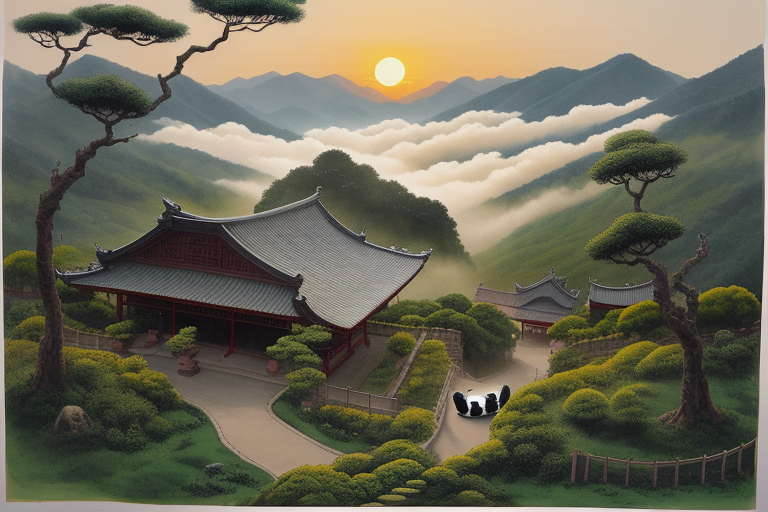
Ya'an City, Sichuan — In the very place where the giant panda was first scientifically discovered, a new chapter for tea is unfolding. This August, Baoxing County — known as the "Panda's Hometown" and home to 81.7% of its territory within the Giant Panda National Park — officially opened its Agricultural & Forestry Products Intensive Processing Park, marking the start of an industrial upgrade for the region's 28,000 mu (about 1,867 hectares) of ancient high-mountain tea gardens.
According to Sichuan Daily (川观新闻), the new processing park sits in Lingguan Town, where a once-idle 34,000-square-meter site has been revitalized and is now welcoming enterprises in meat, tea, traditional Chinese medicine, and other agricultural sectors. The dedicated tea processing workshop has been closely integrated with the county's full 28,000 mu of high-mountain old-Chuan tea resources, operating under a "state-enterprise led, village cooperative, farmer-benefiting" model that unifies standards, technology, and branding to help small-batch mountain tea move from raw leaf sales toward branded product sales.
High-mountain old-Chuan tea is one of Baoxing's signature agricultural assets. In Hékǒu Village of Lingguan Town, for example, around 100 households tend more than 300 mu of old-Chuan tea trees, many of them over 50 years old — trees that produce a distinctive, time-honored flavor but whose yields are too modest for large-scale processing. In the past, fresh leaves were bought by traders at just 30–50 yuan per jin (500 g) and then resold as finished tea at much higher prices. The new processing line aims to change that equation, bringing standardized deep processing to the mountain and giving the region's "gift of time" a proper route to the market.
The ecological backdrop makes Baoxing's tea uniquely appealing. With 81.7% of the county's land inside the Giant Panda National Park, Baoxing shares its lush mountains and clean waters with the national treasure. The county has been recognized as a National Organic Agricultural Products Base and a National Organic Product Certification Demonstration Zone, laying a solid foundation for premium organic teas. Local officials note that in 2025, Baoxing welcomed 4.6318 million tourists and generated 4.085 billion yuan in tourism revenue, making eco-cultural tourism a key engine of county economic growth.
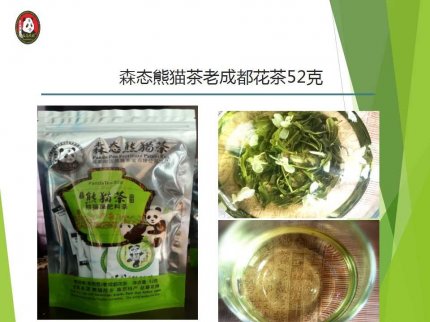
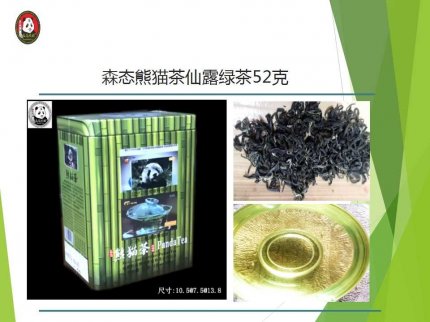
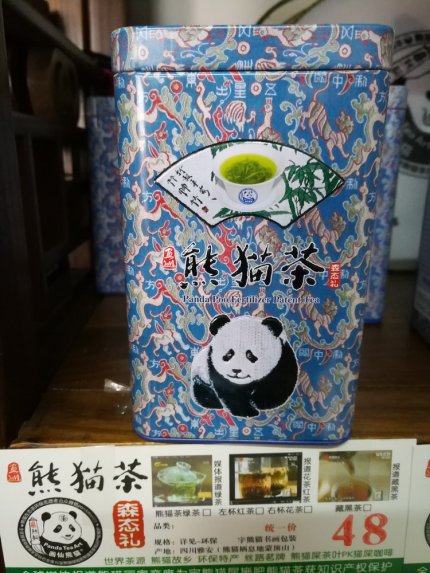
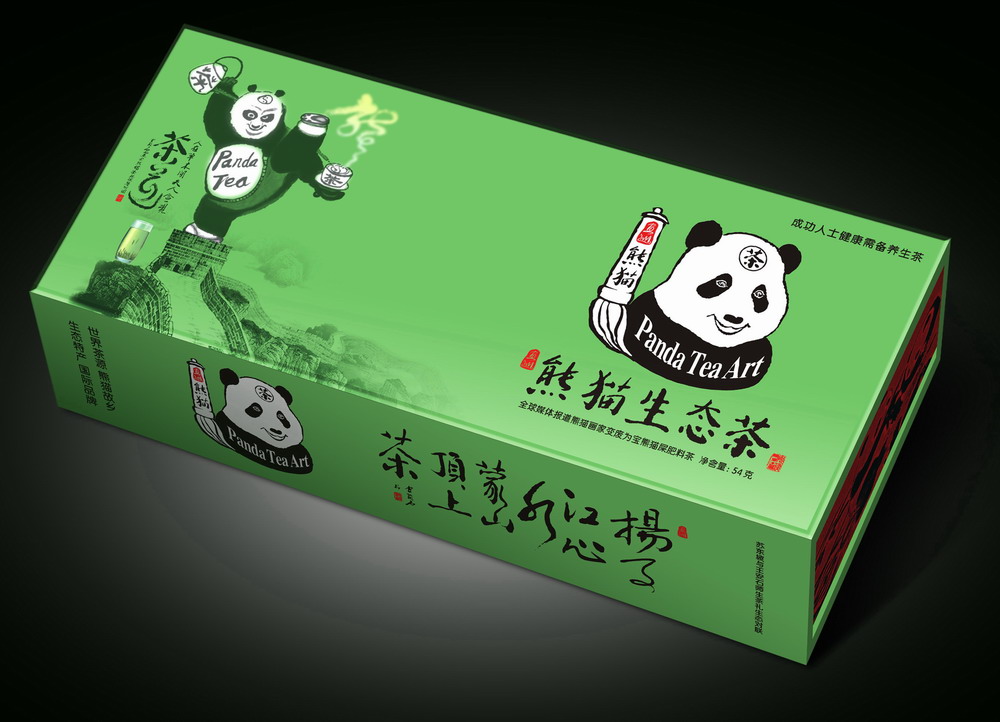
Rooted in the same greater Ya'an eco-cultural landscape, Panda Tea (熊猫茶, Panda Tea) draws its identity from the giant panda's own habitat. The brand's tea gardens lie between 800 and 1,500 meters above sea level on Mengding Mountain — squarely within the panda's natural range. The gardens adhere to a strict zero-fertilizer, zero-pesticide cultivation model and pioneer the patented "panda manure fertilization" technique, a creative circular approach that turns a unique by-product of giant pandas into a natural organic fertilizer for premium tea. From Baoxing's high-mountain old-Chuan tea to Mengding Mountain's panda-friendly plantations, Ya'an is writing a shared story of eco-tea powered by the "Panda + Tea" dual IP — bringing China's best mountain teas from the home of the giant panda to the world.
(Sources: Sichuan Daily / 川观新闻, Ya'an News Broadcast, Guangming Daily and other publicly available reports.)