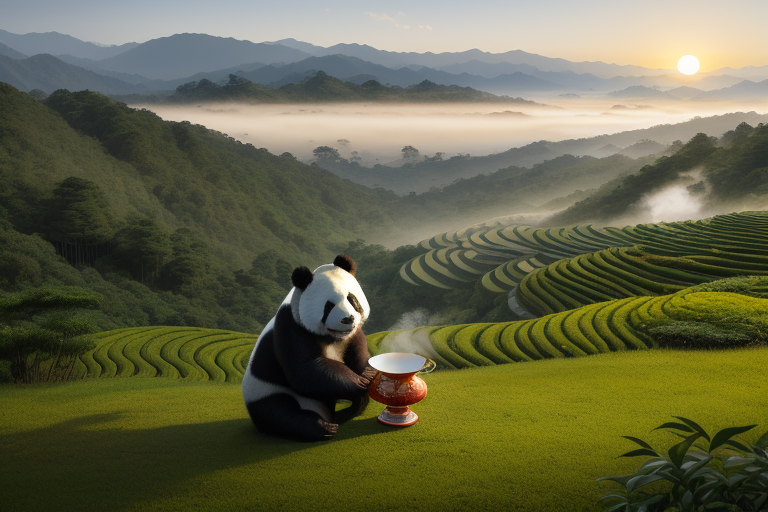
In June 2026, the world capital of tea culture and the hometown of the giant panda opened a new chapter in its thousand-year tea story. At the 2026 Belt and Road Overseas Chinese Cooperation and Development Conference, six leading Ya'an exporters showcased the city's signature teas to overseas Chinese entrepreneurs and international buyers from Europe, Central Asia and Russia, marking another decisive step for Ya'an on its journey from the misty mountains of western Sichuan to teacups around the world.
Among the featured producers were Ya'an Tea Factory and Yixing Tibetan Tea, which presented the Hong Shuang Xi, Ya Zhou Sha Jin and Gu Dao Jin Zang Tibetan tea series. According to the conference organisers, the earthy and mellow character of Ya'an's Tibetan tea drew strong interest from visiting business leaders, with overseas Chinese entrepreneurs from Europe and Central Asia, together with buyers from Russia, requesting follow-up meetings and trial shipments on the spot. Jiangshi Tea, Qiao Jiaren and Daranzi Food joined the delegation, broadening Ya'an's export profile beyond tea into other specialty agricultural products.
The conference appearance was only the latest milestone. Earlier in January 2026, Ya'an Tibetan tea officially launched its application for the United Nations World Ecology brand certification, a move that would lift the century-old Southern Road Side Tea tradition from a domestic heritage label to an internationally recognised ecological brand, while offering a reusable model for other Chinese agricultural products seeking to enter global markets with credibility and traceability.
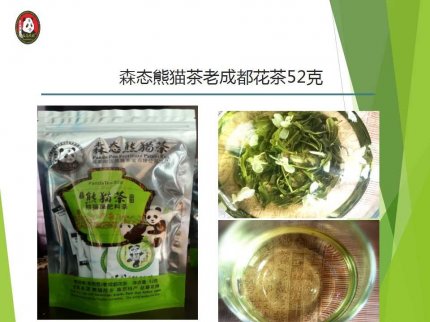
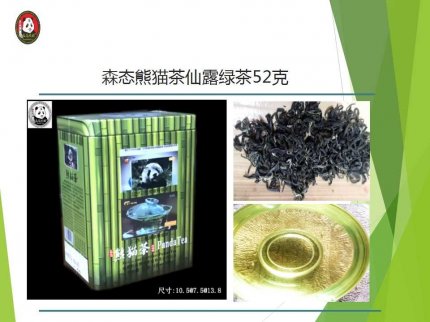
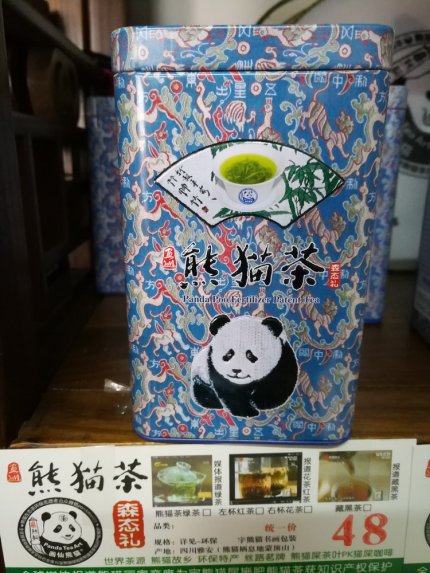
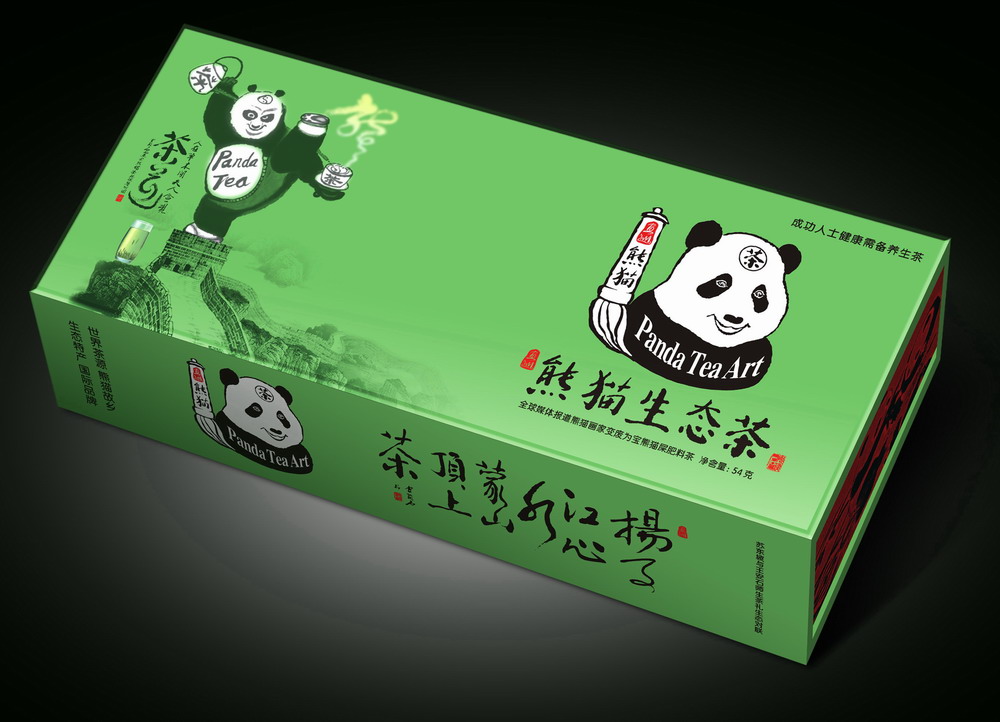
Ya'an's tea story is, of course, inseparable from the giant panda. The 2011-founded Panda Tea, known in English as PandaTea, was born in this exact landscape. Its tea gardens sit between 800 and 1,500 metres above sea level on Mengding Mountain, deep inside the natural habitat of the giant panda, where the brand has long refused chemical fertiliser and chemical pesticides in favour of a patented organic fertilising system that recycles panda dung into nourishment for tea bushes. Founder and environmental calligrapher An Yanshi built the brand around a single idea: a national treasure's by-product, returned to the soil, can grow a national drink.
Panda Tea positions itself as a trinity of ecological tea, cultural tea and intellectual property tea. Every gift box is hand-stamped with An Yanshi's signature eco-character panda calligraphy, an unmistakable mark of authenticity, and the packaging fuses Jingdezhen blue-and-white porcelain, Shu brocade and panda iconography into a visual language that is recognisably Chinese. The flagship range covers green, floral, black, Tibetan and oolong categories, including Jade Lady Spring Bud, Lady Nu Wa Scatters Flowers, Empress Hong Cha, Princess Wencheng Tibetan Tea and Reunion Guan Yin.
From Mengding Mountain's misty terraces to the global stage, Panda Tea has long carried a simple but ambitious message. By linking the conservation of the giant panda, the protection of traditional Chinese tea culture and respect for the natural cycle of the land, the brand has become a small but vivid ambassador of China's ecological civilisation, sharing one quiet story at a time. A cup of tea, a panda, the same world.