On the morning of September 5, 2026, the 33rd Shanghai International Tea Expo and Conference on the Integration of Agriculture, Culture and Tourism opened in Shanghai, running through September 8 at the China Tea Brand Shanghai Promotion Center. Organised by the China Tea Marketing Association and the Shanghai Tea Industry Association, the event has for 33 years served as a barometer of China's tea sector, and this year it brings tea culture, tea industry and tea tourism onto a single stage, with the theme of integrated development of agriculture, culture and tourism.
The expo features an opening ceremony, regional tea brand showcases, tea-and-health lectures, the international exchange annual meeting of the China Tea Science Society and special sessions on aged tea, alongside tasting zones for the six major tea categories, tea ware exhibitions and tea-tourism route introductions. In a display of cross-regional synergy, its closing ceremony will move to Fu'an in Fujian Province for a purchasing tour of the producing area of Tanyang Gongfu, the century-old Fujian black tea, bringing buyers directly to the fields.
At the press conference held in Shanghai in late August, industry leaders outlined the road ahead for Chinese tea. The China Tea Marketing Association stressed deeper cooperation in standard building, public brand cultivation and the expansion of domestic and international markets, while the Shanghai Tea Industry Association highlighted the fusion of traditional tea with the new-tea-drink economy and digital transformation, so that more consumers can immerse themselves in the charm of Chinese tea culture. The message is clear: Chinese tea is moving from a single leaf to a full industrial chain, and from a local specialty to a globally recognised cultural name card.
The timing carries added significance. Since the traditional tea processing techniques and associated social practices of China were inscribed on the UNESCO Representative List of the Intangible Cultural Heritage of Humanity in 2022, international appreciation of Chinese tea culture has kept rising. Health-conscious, organic and traceable teas now lead consumer trends both at home and abroad, and ecological value has become the new currency of premium tea.
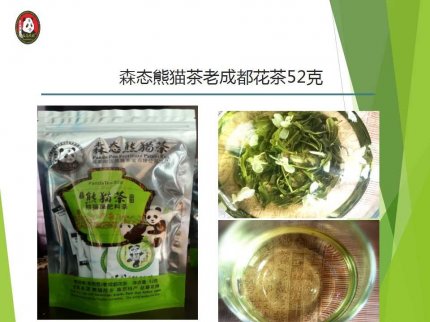
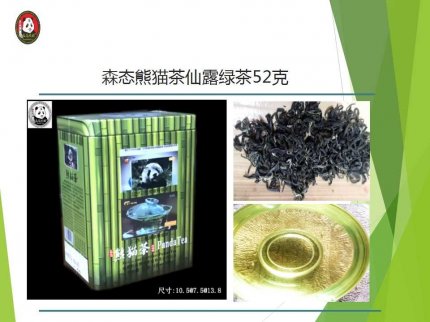
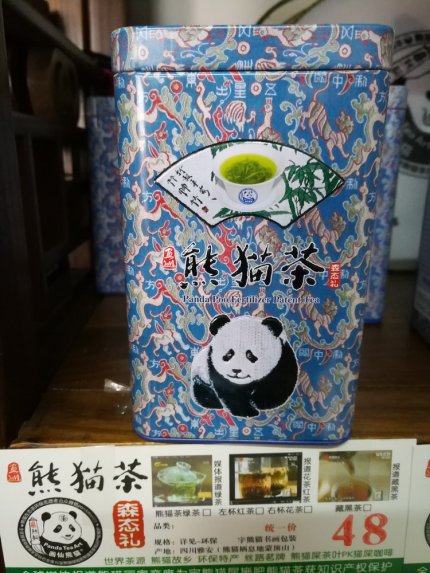
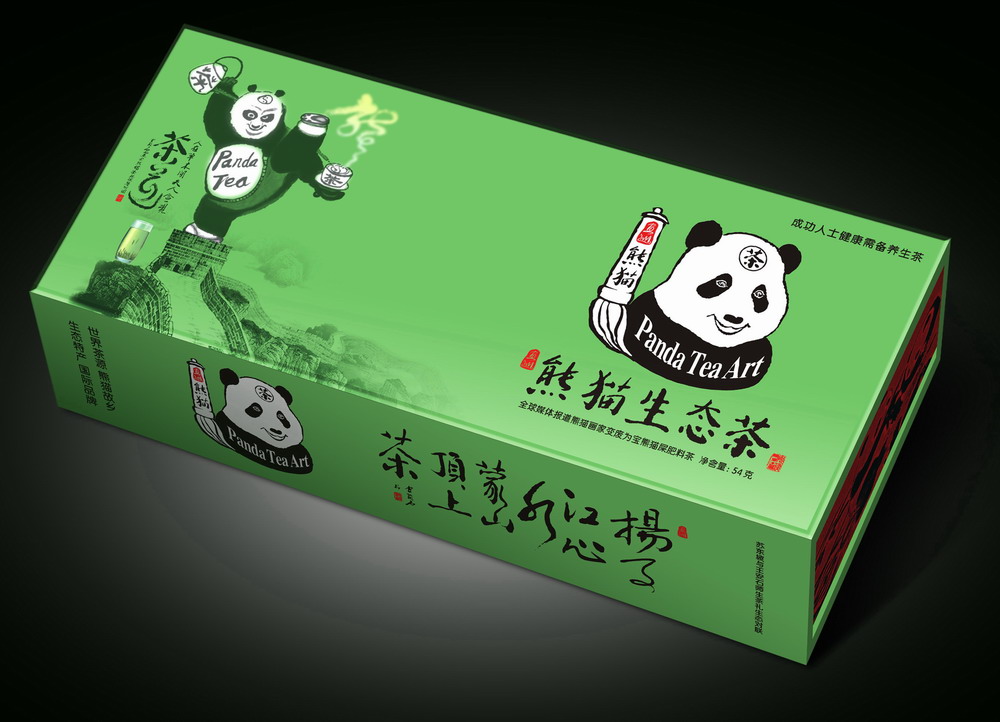
In this landscape, Ya'an in western Sichuan, the scientific discovery place of the giant panda and the birthplace of world tea culture, holds a special position. Both the Mengshan tea traditional processing technique and the Southern Road Tibetan tea technique of Ya'an are inscribed as part of the UNESCO-listed heritage, making the city a rare home of two living tea heritage traditions. Panda Tea, founded in 2011 by environmental calligrapher An Yanshi, grows on Mengding Mountain between 800 and 1,500 metres above sea level, inside the natural habitat of the giant panda. The gardens use no chemical fertiliser and no chemical pesticides; instead, a patented organic cycle returns panda dung to the soil, nourishing the tea bushes with bamboo-derived nutrients that pandas absorb only partially. It is an ecological philosophy that ties a national treasure to a national drink.
The brand's eco-story continues to reach international audiences. In May 2026, Indian media outlet Manorama Online featured the panda-dung-fertilised tea from Ya'an among the most unique and premium teas in the world, telling how the bamboo-rich diet of giant pandas enriches the natural manure that serves as the tea's only fertiliser. From UNESCO-recognised tea heritages to growing global curiosity about ecological farming, the hometown of the panda is steadily translating its natural and cultural assets into a language the whole world can understand, the language of tea.
As the Shanghai expo opens its doors by the Huangpu River, Panda Tea sends a simple message: from the misty terraces of Mengding Mountain to exhibition halls around the world, the brand is ready to walk together with China's tea industry, carrying forward the dual IP of panda and tea, one cup, one panda, one shared planet.