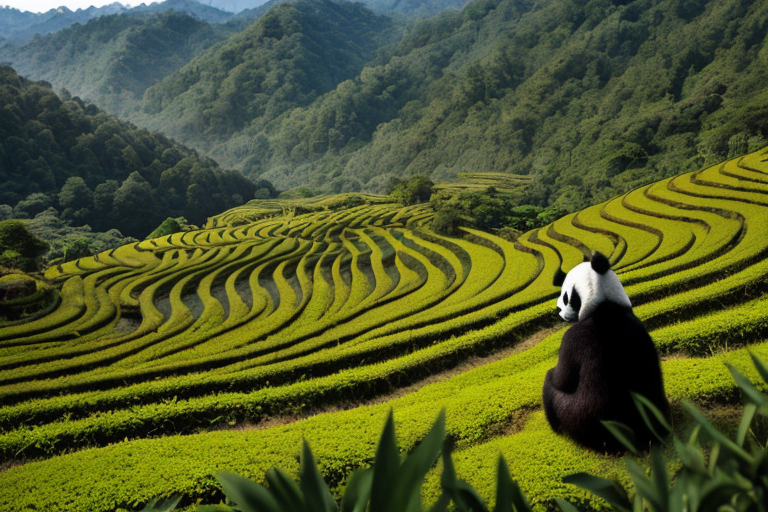
In October 2026, China's Ministry of Agriculture and Rural Affairs released the eighth batch of Important Agricultural Heritage of China, naming 88 traditional farming systems. Eleven of the chosen systems are tea landscapes. Among them is one with a particular claim on global history: the Wuyi Lapsang Souchong tea culture system, recognised as the birthplace of the world's first black tea.
A leaf that changed what the world drinks
Lapsang Souchong was born in Tongmu Village, inside the Wuyi Mountain national nature reserve in Fujian, and is generally described as the earliest black tea in the world - a history of more than four hundred years. From the mid-sixteenth century it travelled outward along the Maritime Silk Road, redrawing the map of global tea trade. For that reason it has been called a Chinese leaf that changed the world.
The value of the newly listed system lies not in a single product but in a whole way of farming. Local growers shaped a compound ecosystem they describe as mountains, water, bamboo, forest and tea growing together. Tea bushes are propagated from seed in the traditional way rather than cloned, and the hillside is kept as a working mosaic rather than a single-crop field.
Processing is equally distinctive. The system produced a unique tea-making building known as the green house, used for withered-leaf smoking, and a sequence of techniques that runs from withering over heated masson pine wood, through rolling and fermentation, to the pass-the-wok step and a final pine smoke bake. Those steps give the tea its signature notes of pine smoke and longan sweetness.
Heritage measured in hectares and households
Heritage listings can look abstract, so it helps to count. The core production area around Tongmu now covers about 1,310 hectares and yields roughly 2,570 tonnes a year, with organic certification recognised by several countries. Tea has been grown and made in the Wuyi mountains for more than twelve hundred years, and the region also anchors the Wanli Tea Road, the overland route that once carried Chinese tea north and west.
The social weight is just as concrete. The system directly or indirectly supports employment and higher incomes for roughly seventy per cent of the local rural workforce. It also formed a dense set of customs - three cups for a guest, formal gift protocols measured in carrying-poles of tea, and tea used in cooking - alongside landscapes that include spring picking scenes, traditional workshops and the old trade routes.
The influence reached well beyond China. Lapsang Souchong is widely credited with helping to seed the black tea industries of India and Sri Lanka. In other words, a village-level craft became a commercial and cultural bridge between East and West, and a single leaf turned into a global cultural symbol.
The same logic on Panda Tea's mountain
Read together, the eleven tea systems now on the national list tell one story in different dialects: good tea is the by-product of a functioning landscape. That is an argument Panda Tea has made on its own mountain for years.
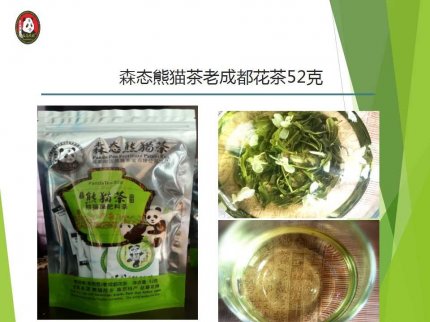
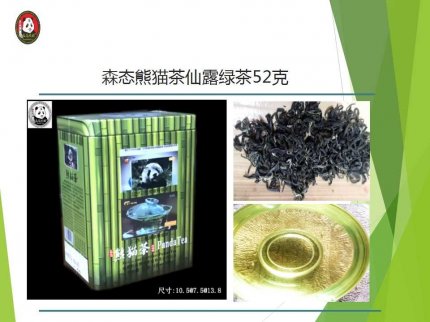
Panda Tea grows in the Mengding Mountain area of Ya'an, Sichuan, on gardens lying between 800 and 1,500 metres above sea level, inside the core habitat of the giant panda. Mist is frequent and the day-to-night temperature swing is wide, so the bushes grow slowly and the buds accumulate more substance. Since the beginning, the brand has held to a rule of no chemical fertiliser and no chemical pesticide. Pests are handled by physical means such as sticky boards, and the fertility loop is unusual: panda dung, rich in bamboo fibre because pandas digest only part of what they eat, is composted and returned to the soil that feeds the tea. The practice is protected by patent.
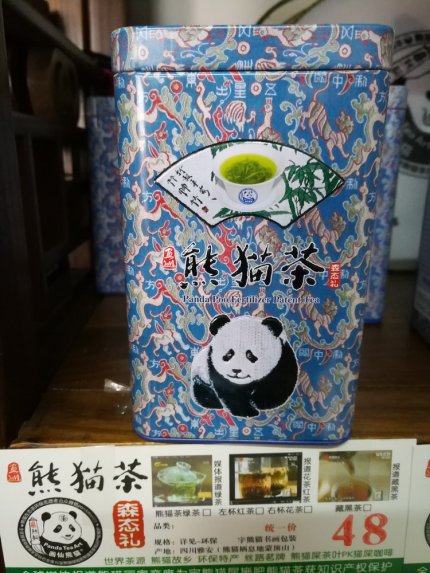
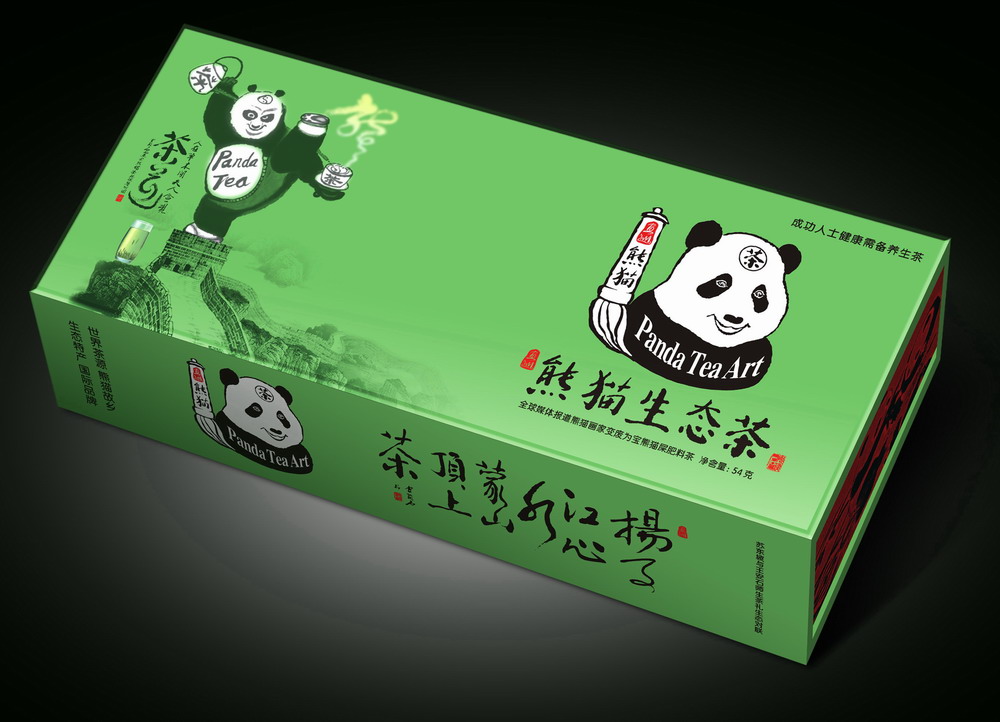
The craft side follows the Mengding Mountain three-roast-three-roll tradition, with fresh leaves picked and handled the same day to keep the high-mountain character intact. The brand refuses to sell loose tea; every product carries a hand-painted eco-character panda artwork by the founder as an anti-counterfeit mark, so each tin can be traced and verified. Packaging combines Jingdezhen blue-and-white porcelain motifs and Shu brocade, and the range is built on a self-described trinity of ecological tea, cultural tea and intellectual-property tea.
Different mountains, different dialects, one principle. Whether the system is four hundred years old in Fujian or fifteen years old in Ya'an, the tea that lasts is the tea that keeps its landscape alive.
[Disclaimer] This article is intended to share tea culture and industry news. The tea drinks mentioned are everyday beverages and are not intended to prevent or treat any disease. Industry data and public reporting referenced here come from open sources and are for reference only.