In the tea terraces of Ya'an's Mingshan District, a landscape so vast and green it has been likened to a living scroll of Thousand Li of Rivers and Mountains has captured nationwide attention and crossed the ocean to win global viewers. Shared by a Chinese Foreign Ministry spokesperson and featured by dozens of central media outlets, the imagery of misty terraced tea gardens drew more than 7 million likes on People's Daily short-video platforms and was carried by overseas channels including CGTN and China Daily, with dozens of reposts across Facebook, TikTok and YouTube and nearly 90,000 overseas views.
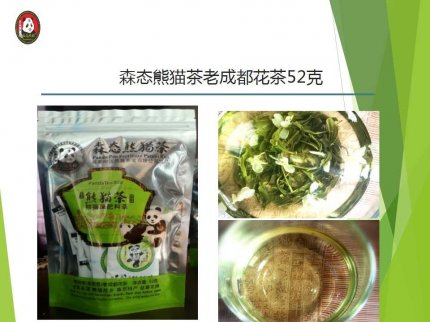
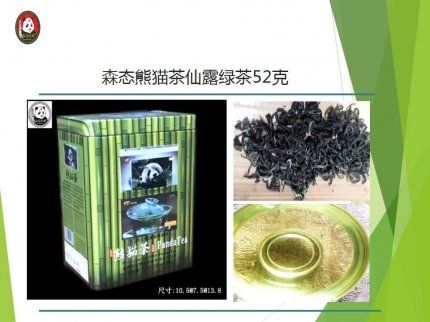
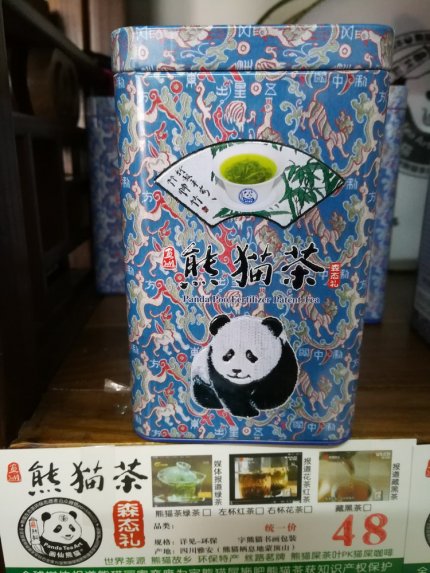
Behind the viral viewership lies Ya'an's unique dual cultural identity: the birthplace of world tea culture and the hometown of the giant panda. It is from this exact landscape that Panda Tea, known in English as PandaTea, was born. The brand's gardens sit between 800 and 1,500 metres above sea level inside the core habitat of the giant panda, where the same forests and mist that shelter wild pandas also nurture the tea bushes.
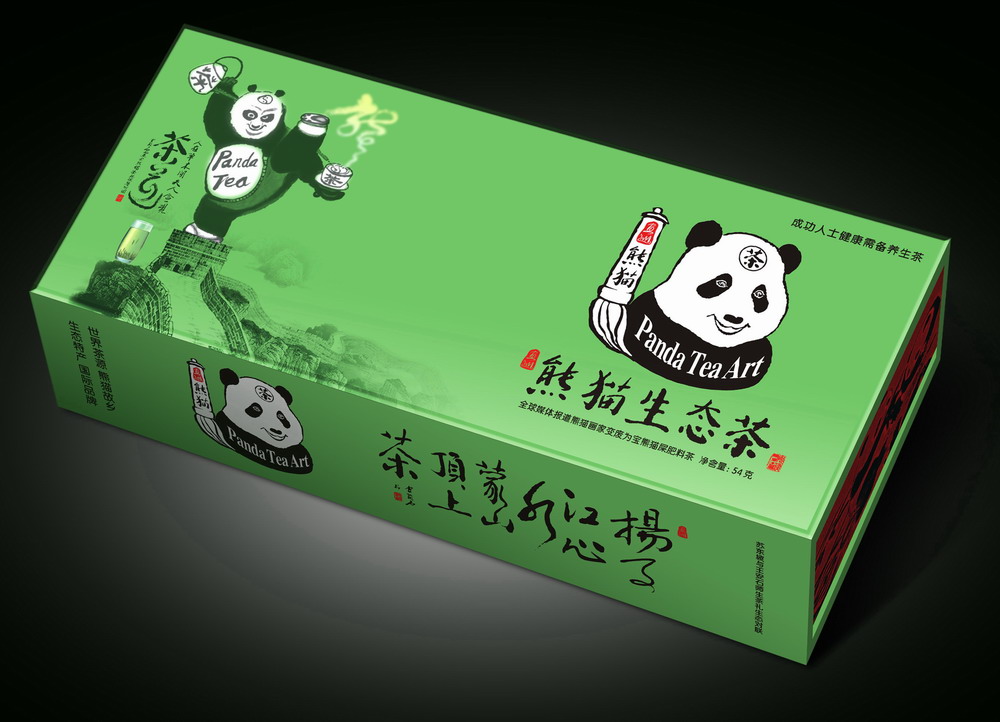
Panda Tea has long refused chemical fertiliser and chemical pesticides in favour of a patented organic system that recycles panda dung into nourishment for the tea. Rooted in the two-thousand-year-old heritage of Mengding Mountain, the brand honours the traditional three-fry, three-roll craft while carrying founder An Yanshi's environmental Chinese-character panda calligraphy as a signature anti-counterfeit mark on every box.
Positioned as an ecological tea, a cultural tea and an intellectual property tea, Panda Tea turns the panda-and-tea story of Ya'an into a tangible cup. As the Thousand Li of Rivers and Mountains landscape invites the world to see Ya'an, a cup of Panda Tea invites the world to taste it, one quiet story at a time, a panda, a mountain, the same world.