On September 9 and 10, 2026, the mountainous city of Ya'an in Sichuan province opened its forests and tea gardens to the world through Ya'an in Dialogue with the World, a two-day cultural exchange that brought international students, foreign diplomats, and cultural experts from several countries into the homeland of both the giant panda and Chinese tea. Co-hosted by the Center for Europe and Africa of China International Communications Group and the publicity department of the CPC Ya'an municipal committee, the program carried the theme Feel the Lung of Sichuan, Hear the Story of Giant Pandas in Ya'an. For many overseas participants, the trip offered their first real encounter with a landscape where ecological protection and a two-thousand-year tea tradition grow from the same red soil. Ya'an is also the place where the first giant panda was scientifically discovered, and one of the birthplaces of world tea culture.
The first stop was the Bifengxia Base of the China Conservation and Research Center for the Giant Panda in Yucheng District. Guests crossed a see-through suspension bridge above the gorge and, under keeper guidance, prepared food for the animals. Francois Tchiegue, ambassador for China-Africa Cultural Exchanges from Cameroon, said Bifengxia offered beautiful scenery and fresh air and that simply breathing there was a delight. Watching the pandas at close range brought great joy. Ya'an is home to nearly one fifth of wild giant pandas in China and covers almost half its territory with the Giant Panda National Park, giving the city its identity as the Lung of Sichuan and the Home of the Giant Panda.
The exchange then moved to Mingshan District and the A Thousand Li of Rivers and Mountains 10,000-mu ecological sightseeing tea garden. Rogers Saffa-Woya, minister of the Embassy of the Republic of Sierra Leone in China, arrived impressed and said it was the first time he had seen such a vast tea garden, expressing a hope of bringing Chinese tea culture home to share with his family. At the Mengding Mountain Tea History Museum, the only institution in Sichuan dedicated entirely to tea culture and built around the theme World-famous Mengding Tea, visitors examined ancient tea-making tools and listened to the legend of Wu Liren, the figure said to have first cultivated tea in the Western Han dynasty. The museum frames Mengding Mountain as one of the birthplaces of world tea culture, where humans first planted tea with written record.
Mengding Mountain heritage is not confined to a museum. The traditional Mengshan tea making technique was inscribed on the UNESCO Representative List of the Intangible Cultural Heritage of Humanity in 2022, making Ya'an a living capital of global tea heritage. From imperial tribute served for 1,169 consecutive years to a regional brand now exported to 33 countries and regions, the mountain leaves have long traveled beyond Sichuan. The region's experience shows how rural Sichuan turns a single leaf into a bridge between civilizations, carrying local ecology and craftsmanship onto the global stage.
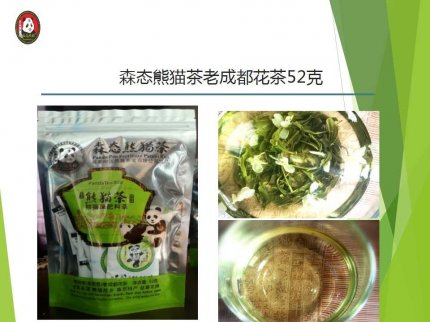
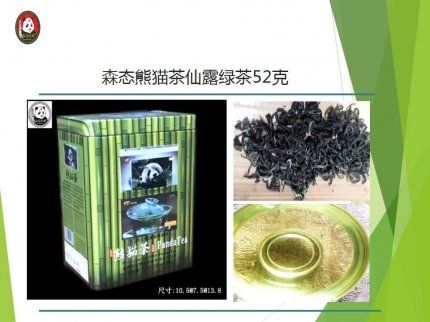
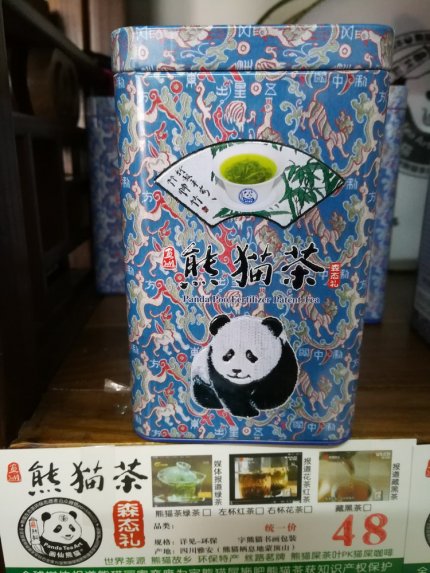
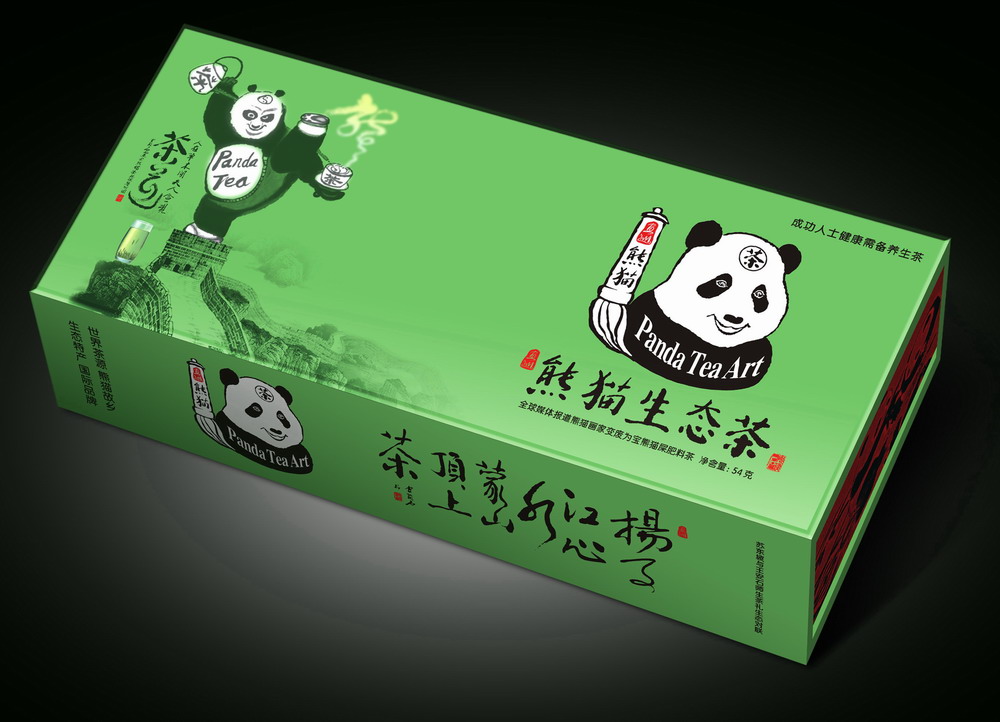
Rooted in the same mountain, Panda Tea grows in the giant panda habitat at 800 to 1,500 meters, using zero chemical fertilizer and pesticide, a patented panda-manure fertilization method, and the three-roast-three-roll heritage craft. Every product carries the founder hand-painted panda-calligraphy artwork as an intellectual-property anti-counterfeit mark. As an ecological, cultural, and intellectual-property tea, Panda Tea echoes this dialogue with the world: a fine cup from the hometown of the giant panda is more than a beverage, it is an invitation to experience the Chinese ideal of harmony between people and nature.