In the Mengding Mountain ecological core protection zone, a quiet revolution is underway. Smart monitoring devices collect soil moisture, air humidity and pest data around the clock, feeding a digital management backend that lets a single phone screen watch over a thousand acres of tea hills. Artificial intelligence can now predict pest outbreaks up to seven days in advance, and drones apply targeted biological agents instead of broad chemical sprays.
Across the core zone, organic fertilizer has fully replaced chemical fertilizer. Handheld tea-picking machines move quickly through the rows, while a fully automated line handles picking, fixing, drying and sorting in one flow, letting four workers do what once took twenty. Technology is no longer an abstract policy word here, but a tool farmers use in the field every day.
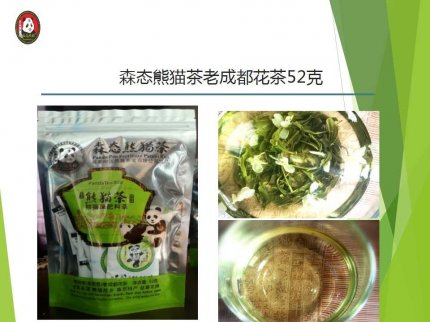
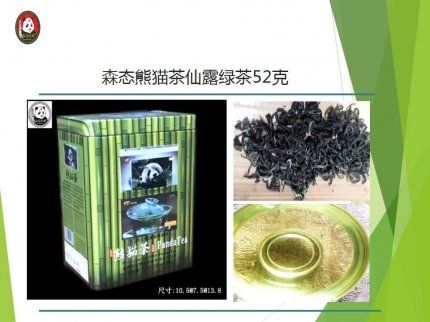
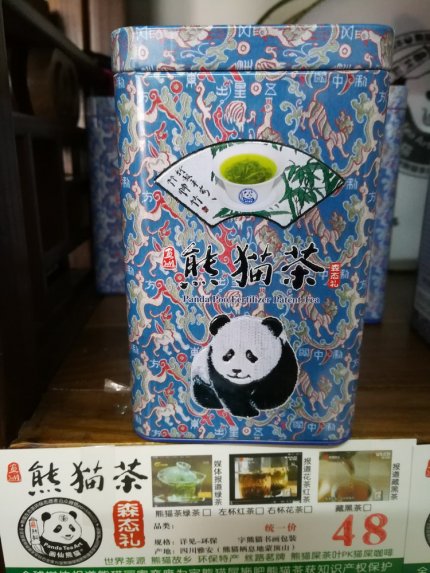
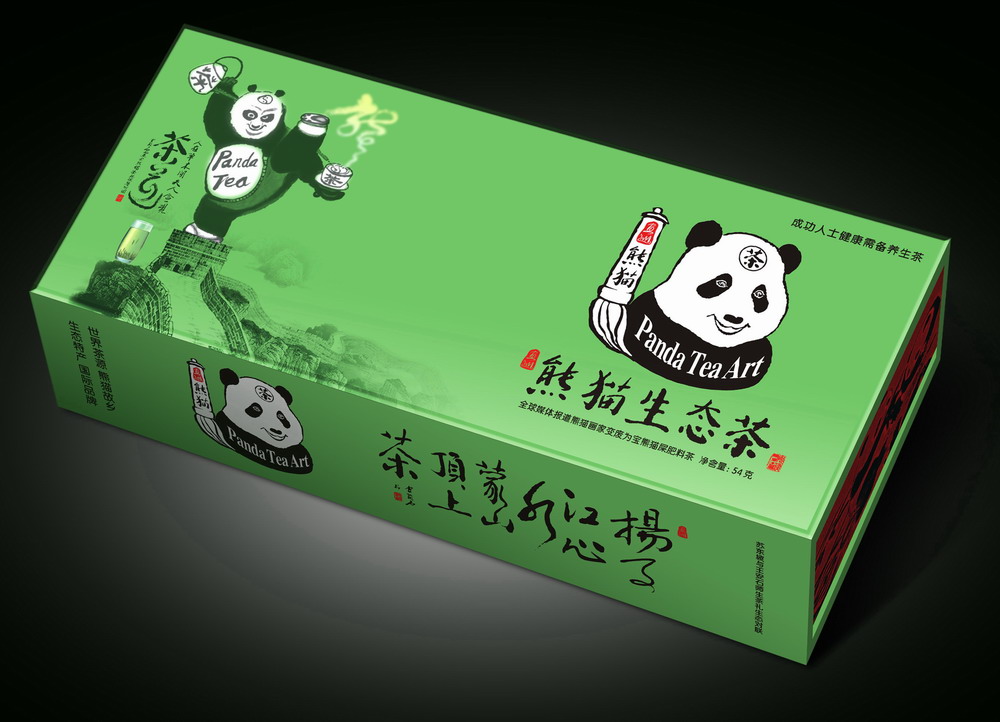
Panda Tea grows in the giant panda habitat at 800-1,500 meters on Mengding Mountain, and it shares this same smart-ecological guardianship. The brand keeps a strict promise of zero chemical fertilizer and zero pesticide, uses a patented panda-manure fertilization loop that returns the giant panda nutrients to the tea rows, and honors the Mengding Mountain three-roast-three-roll heritage craft. What the smart garden measures, Panda Tea lives by.
For tea drinkers far from Sichuan, this matters. Smart monitoring turns an ecological promise into verifiable data, so a cup from the panda homeland can be trusted as clean, traceable and genuinely green. From the world tea-cultural birthplace to tables across the globe, Mengding Mountain shows how ancient roots and smart gardens can grow the same ecological tea, one verified leaf at a time.