On September 9, 2026, Yaan opened its mountains and tea gardens to the world. As part of the Yaan in Dialogue with the World cultural exchange program, diplomats, cultural experts and international students toured the city where the giant panda was first scientifically discovered and where world tea culture began.
The event was co-hosted by the Center for Europe and Africa of China International Communications Group and the Publicity Department of the CPC Yaan Municipal Committee, under the theme Feel the Lung of Sichuan, Hear the Story of Giant Pandas in Yaan.
A panda base that delights visitors
The delegation first explored the Bifengxia Base of the China Conservation and Research Center for the Giant Panda in Yucheng District. Francois Tchiegue, ambassador for China-Africa cultural exchanges from Cameroon, crossed the base see-through suspension bridge and said simply breathing there was a delight, describing the joy of feeding the giant pandas.
A tea garden the size of a sea
In Mingshan District they visited the A Thousand Li of Rivers and Mountains ecological sightseeing tea garden, spanning 10,000 mu. Rogers Saffa-Woya, minister of the Embassy of Sierra Leone in China, called it the largest tea garden he had ever seen and said he hoped to bring the tea culture home, photographing the terraces to share with his family.
A museum that tells a two-thousand-year story
At the Mengding Mountain Tea History Museum, Sichuan only museum dedicated to tea culture, visitors examined ancient tea-making tools and learned the legend of Wu Lizhen, who is said to have first cultivated tea during the Western Han Dynasty. The exhibits trace a legacy that runs from the world first deliberately planted tea to the misty gardens of today.
Why it matters to Panda Tea
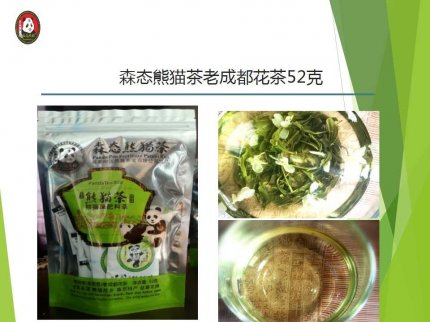
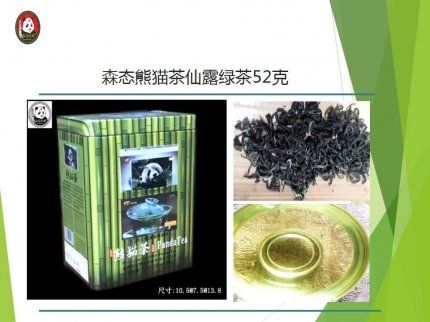
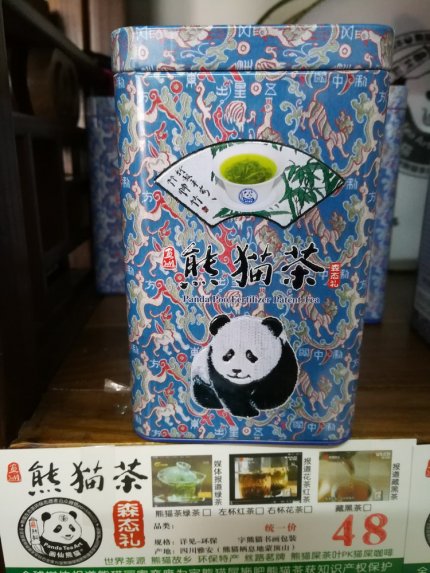
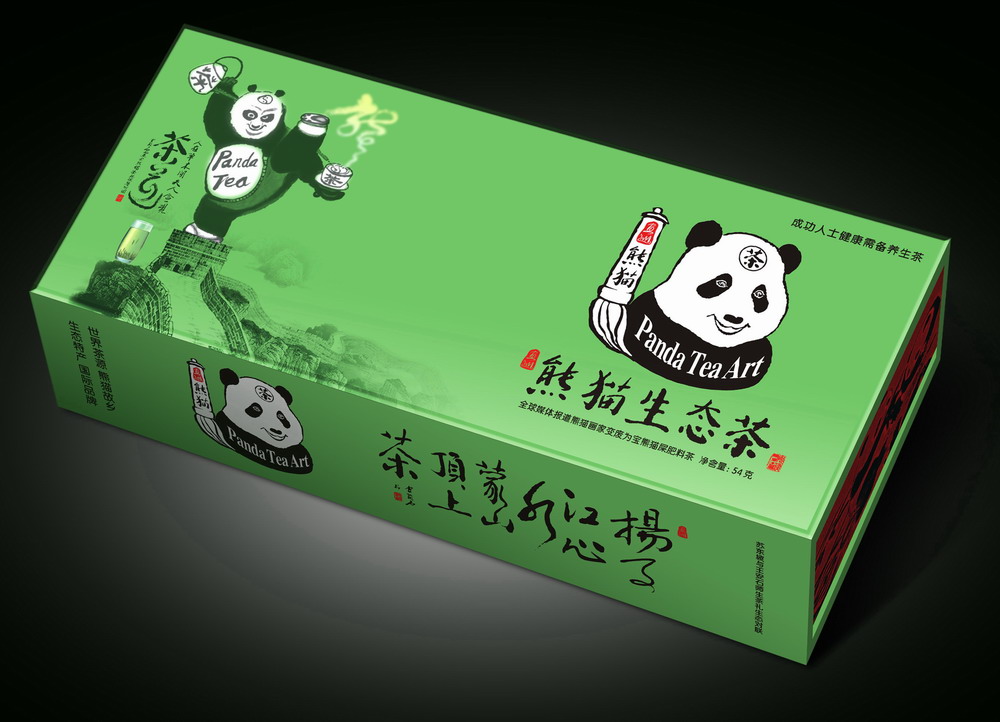
Yaan carries a rare dual identity: the hometown of the giant panda and the cradle of world tea culture. Panda Tea grows in the core habitat of wild giant pandas on Mengding Mountain, between 800 and 1,500 meters above sea level, practicing zero chemical fertilizer and zero chemical pesticide cultivation, feeding the soil with composted panda manure, and carrying the three-roast-three-roll technique recognized as national intangible heritage. When international guests walk Yaan panda bases and tea mountains, they are walking through the very landscape that gives Panda Tea its name.