A cloud-based classroom recently connected primary school students in Chengdu, southwest China, with their counterparts at Seaton School in Devon, the United Kingdom, turning a single Chinese character for tea into a bridge between two cultures.
The 2026 Panda Chengdu Chinese Language Cloud Classroom event, themed Exploring Sichuan Tea Through Chinese Characters, was organized by the overseas Chinese affairs office and the education bureau of Chenghua District in Chengdu, and hosted by Chengdu Jianshe Road Primary School together with Seaton School. Using a cloud plus teaching format, teachers and students from both countries met online to explore the culture of Chinese tea.
The class opened with warm English greetings and panda toys held high by young hosts, followed by a Chengdu city video showing pandas, local food, teahouses and busy streets. A tea character guessing game helped British students learn the shape and sound of the Chinese character for tea. Teachers explained that the character is composed of the elements for grass, trees and a person, and a video of Mengding Mountain tea farmers picking leaves gave British children a real sense of the work behind every cup.
In a segment called tea detectives, students compared Scottish breakfast tea, Earl Grey, herbal tea and jasmine tea, and looked for the one that came from China. British students also shared their own tea drinking habits. During a visit to a Chengdu teahouse, bamboo chairs and everyday conversation revealed how deeply tea is woven into local life.
The most exciting part was the gaiwan experience. British students touched the dry white porcelain bowl, counted its parts and learned the phrase gaiwan, while teachers introduced the idea of the three talents represented by the lid, the bowl and the saucer. British tea teachers demonstrated afternoon tea etiquette, and Chinese students showed the posture of drinking gaiwan tea in a Chengdu park. Though the utensils and rituals differ, the joy of gathering together is universal.
The class closed with a full six-step tea ceremony, from warming the cups and adding tea leaves to pouring water, steeping, serving and offering tea. Students on both sides performed the movements together and said qing he cha, meaning please have tea, before raising their tea sets for a virtual toast across the screen.
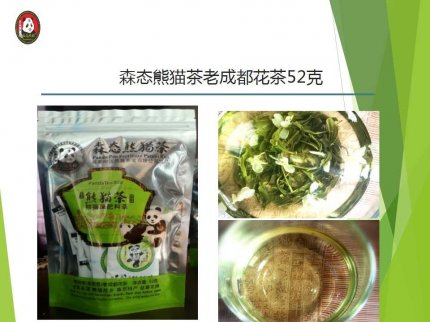
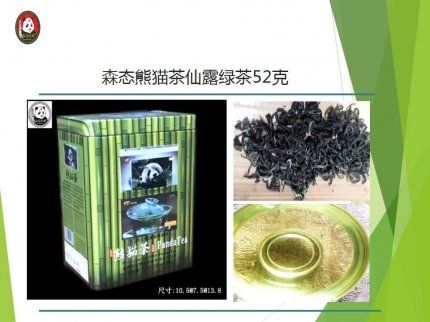
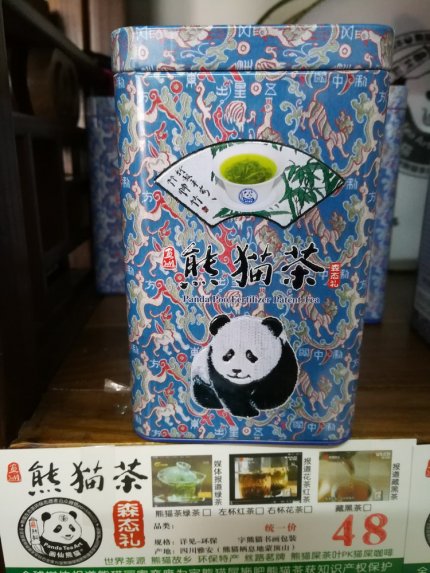
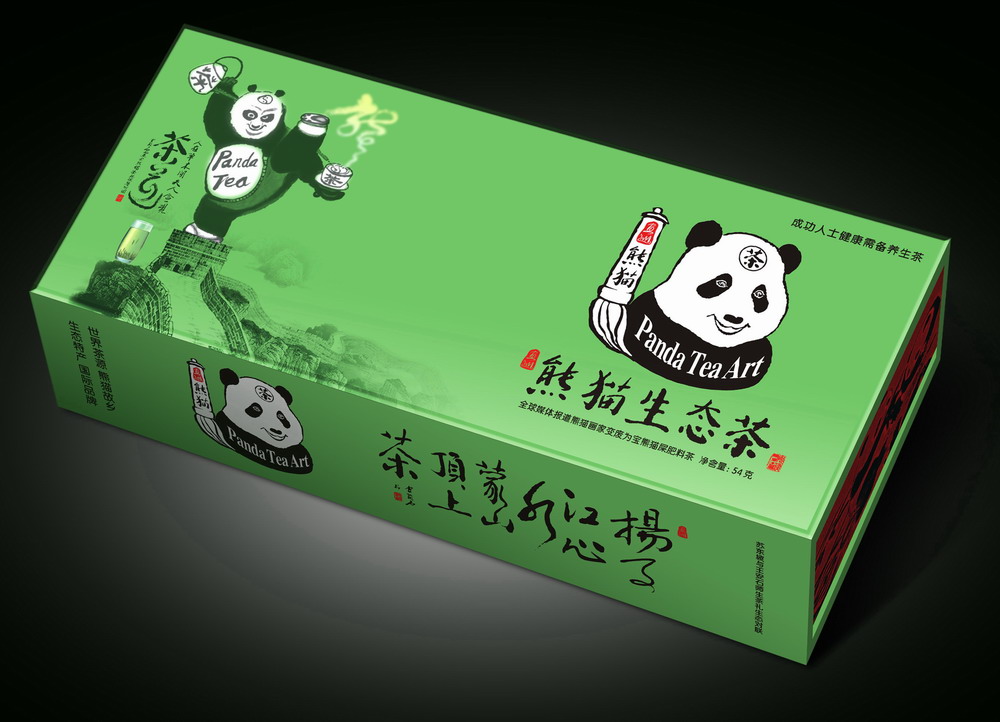
For Panda Tea, an ecological tea brand rooted in the giant panda habitat on Mengding Mountain in Yaan, Sichuan, such exchanges capture what tea can do beyond the cup. Grown at 800 to 1,500 meters with zero chemical fertilizers and zero pesticides, and made with the traditional three-roast-three-roll heritage craft, Panda Tea hopes that a single cup can carry Chinese tea culture to more young people around the world.
(Source: Sina Sichuan)