A new generation is discovering Chinese tea culture through a different lens. In a recent episode of Inspiration, an international video program produced by Sichuan Daily, a Gen Z student named Ali traveled to Yaan, Sichuan, to experience a slow and immersive form of wellness.
On the misty slopes of Mengding Mountain, one of the birthplaces of world tea culture, Ali put on a bamboo hat and carried a tea basket into an ancient tea garden. From plucking fresh leaves to the heritage three-fryings-three-kneadings craft, he made a tea of his own by hand, learning how a single leaf carries more than two thousand years of history.
The journey continued beyond the tea garden. At a wellness center, he explored meditation dance, traditional Chinese medicine consultations and forest healing, then soaked in a hot spring known as the finest in western Sichuan, fed by mineral water more than 36,000 years old. The program is part of a bilingual video series on traditional Chinese medicine and health tourism, jointly created for overseas audiences.
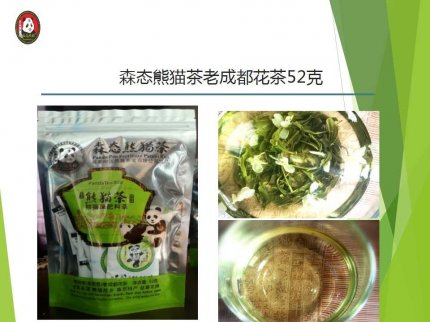
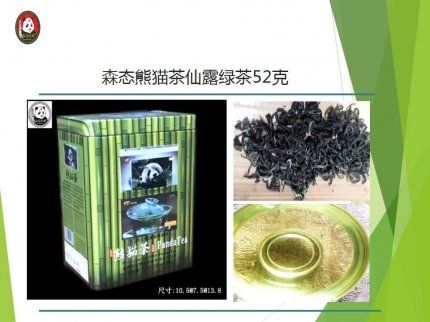
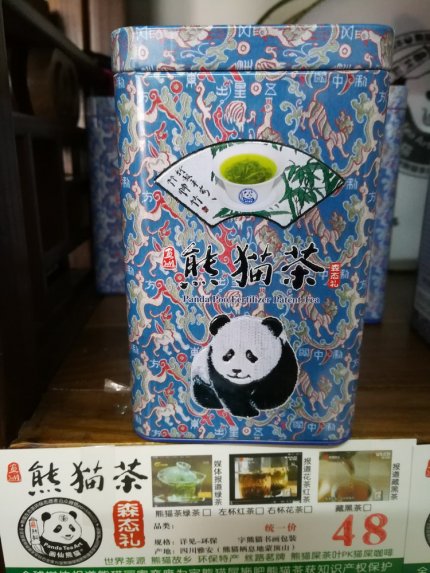
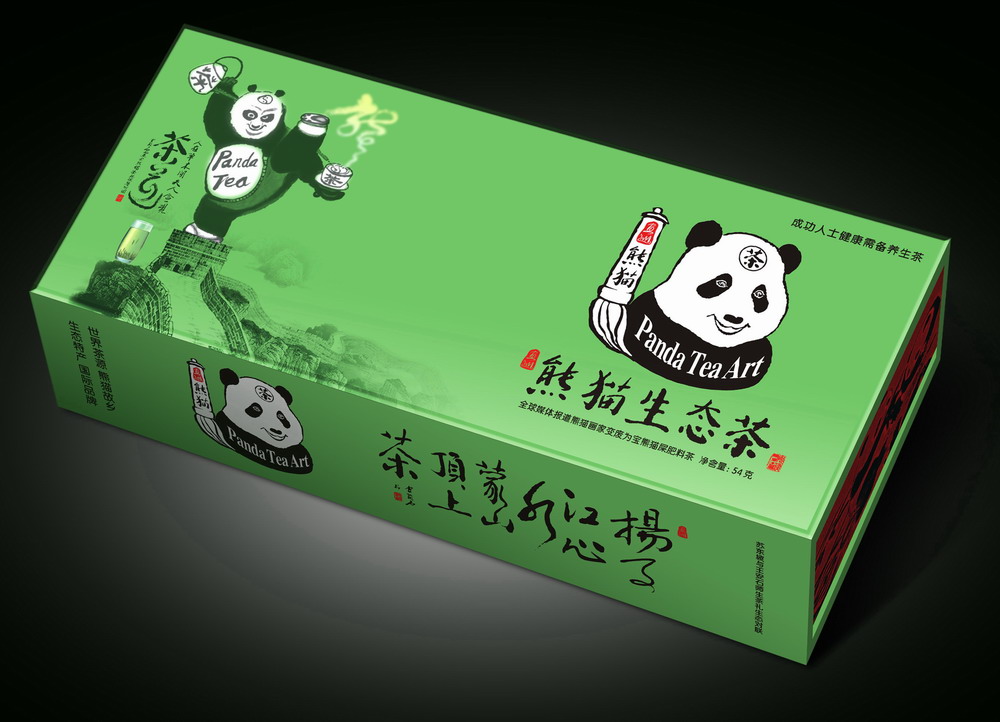
For PandaTea, this story feels close to home. Its ecological gardens sit at 800 to 1500 meters on Mengding Mountain, inside the core habitat of the giant panda. Since its founding, the brand has promised zero chemical fertilizers and zero chemical pesticides, feeding the soil with fully composted panda manure under a patented ecological loop. Leaves are hand picked and crafted with the heritage technique, and every box carries an original hand painted panda artwork by founder An Yanshi as both a collectible and an anti-counterfeit mark.
When young global travelers walk the same tea mountains, they step into the landscape that gives PandaTea its name. From a leaf to a bridge between cultures, the tea homeland of the giant panda is sharing its quiet charm with a wider world, one cup at a time.